
My First Skill Share Required a Floppy Disk and a Lot of Walking
October 20, 2026
Lee Mikles - Keel3.ai
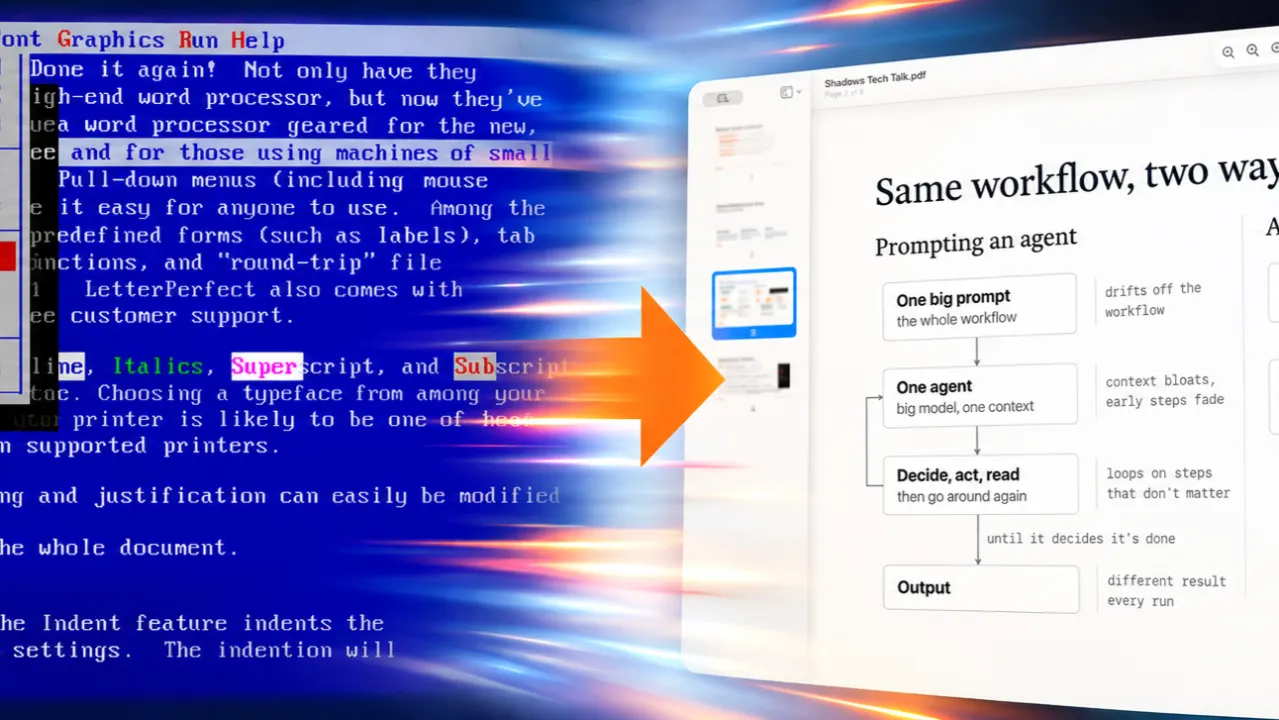
From DOS-based Word Perfect to Sharing skills in Oliver
Here's the 2026 version of that story: I tell Oliver how I want research done, how I want a presentation laid out, and what I never want it to do. I keep correcting it until the output looks like what I would have produced myself on a good day. Then I say "Oliver, make that a skill."
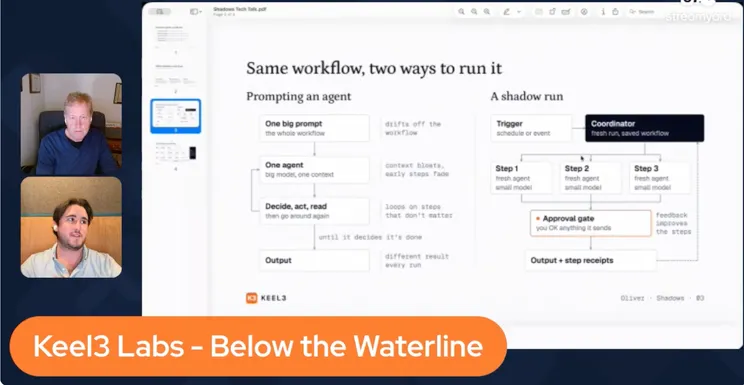
On our latest Below the Waterline livestream, Connor a/k/a Patrick C. Callahan walked me through how skill sharing works in Oliver. You teach it to work the way you work, you turn that into a skill, and everyone on your team can have access to it. This, it might surprise you to hear, reminded me of the year 1990, and a floppy disk.
In 1990 I took my first job out of school, in the technical sales support group at Leeds & Northrup, a Philadelphia instrument maker that had been building precision measurement and control equipment since 1899. We built potentiometers, galvanometers, thermocouple pyrometers, and strip chart recorders. Our customers were steel mills, chemical plants, and nuclear power stations – places where a temperature reading being wrong can have catastrophic results.
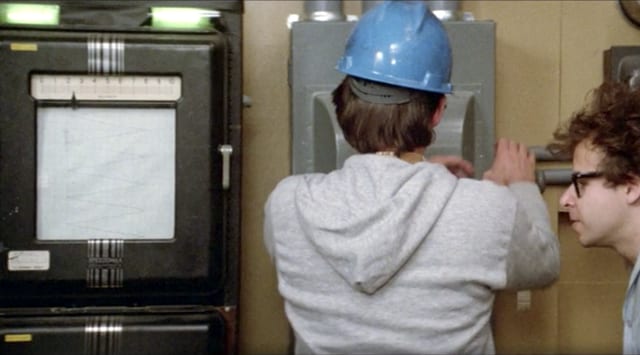
Leeds & Northrup Chart Recorder was even in the first Ghostbusters!
To remind you just how long ago this was in tech years: the web did not exist yet for normal people. Word processing meant WordPerfect, not Word – white text on a blue screen with a cardboard function key template draped over your keyboard. Yes, for all the “ok boomers” out there, we did have electricity, but relative to today, it really did feel like the stone ages
My job was writing proposals for the sales team. The products were configurable to a degree that is hard to explain now. A single instrument was specified by a product code, numbers separated by dashes, and those codes could run past thirty digits. Each position meant something specific. Get one digit wrong and you quoted a device the customer couldn't use. Building a proposal took hours, and the mistakes were common enough that everybody treated them as the cost of doing business.
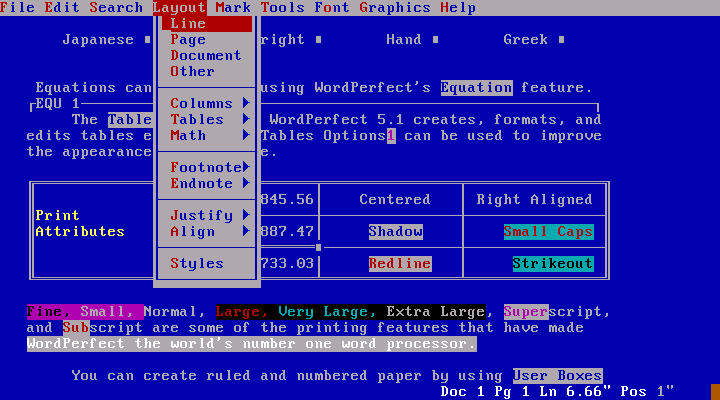
WYSIWYG was Not a Thing
WordPerfect had a feature called macros, which was really a small programming language hiding inside a word processor. I was a brand new electrical engineer with time and no sense, so I decided to try to automate the proposal-writing process. I wrote macros that asked me the configuration questions, assembled the product code, priced it, and printed a finished proposal I could drop in the mail. Hours became minutes, and I was making way fewer mistakes than my colleagues doing it manually.
Word traveled fast. Engineers down the hall wanted the system I’d created, and I was eager to hand it over. That’s where the whole thing fell apart.
Sharing meant copying the macros onto a floppy disk, (for the Gen Z-ers reading this: the floppy disk is where the “Save” icon came from), then walking to each person's desk and installing it myself. Whenever product configurations changed, or pricing changed, I did the entire lap again. New hire, same lap. New computer, same lap. I had accidentally made myself the help desk.
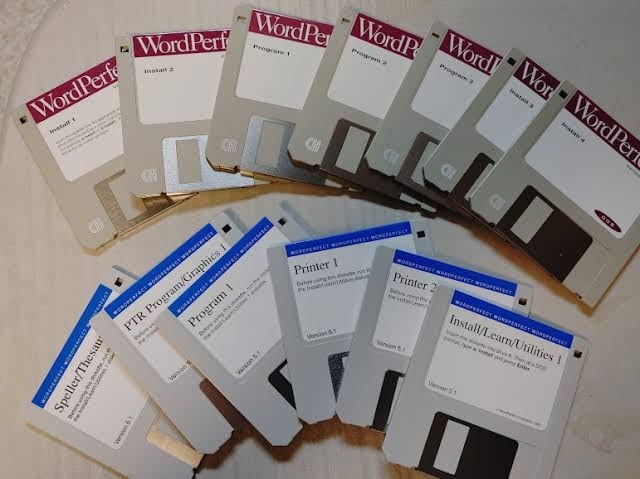
Word Perfect shipped on many floppies
Here's the 2026 version of that story. I tell Oliver how I want research done, how I want a presentation laid out, and what I never want it to do. I keep correcting it until the output looks like what I would have produced myself on a good day. Then I say "Oliver, make that a skill."
When I’m happy with it, I flip one setting from private to shared and the whole Keel3 team has access to it. When I improve it, their version improves. When one of them makes it better, they can send that back to me. The floppy disk version control problem is eliminated
Under the old model, even once companies graduated from floppy disks, any tech upgrade that spread across a team went through IT, which meant a ticket, a queue, a review, and a wait. Expertise moved at the speed of the slowest approval, and plenty of good ideas simply died in that line. Now the person who figured out the better way is the person who distributes it, the same afternoon, to everyone who needs it. It really cuts down on the need for massive corporate IT projects, and means you don’t have a manager signing off on something they’ve never actually done themselves.
The skills our people build are operational. How to take an incoming supplier spreadsheet and get it into the shape the rest of the business needs. How to run the research before a first client conversation. How to handle a customer thread so the opportunity closes this month instead of next quarter. That is judgment that used to live in one person's head and stay there. Shared as a skill, the best version in the company becomes the starting point for everybody, and it compounds every time somebody hands back an improvement.
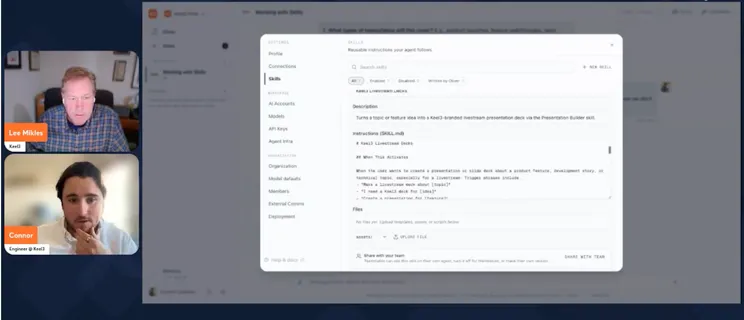
Connor shows off his skills using Oliver's skills
Connor explains the mechanics better than I do (and he even did it live!). The episode is here: https://youtu.be/weDEaaoYuFU. Come watch and think about the thing company that still moves around on a floppy disk. If you’d like to try converting it to a skill in Oliver – let us know!